Understanding the Benefits of Leasing Business Assets
Leasing business assets can provide numerous benefits for companies looking to manage their finances effectively. By opting to lease rather than buy, businesses can preserve capital, maintain liquidity, and enhance cash flow, allowing for greater flexibility in operations and investment in other areas.
For instance, leasing equipment often means lower upfront costs and the ability to upgrade to newer models more frequently. This is particularly advantageous in industries where technology evolves rapidly, such as IT or manufacturing, ensuring businesses remain competitive without incurring significant debt.
Types of Assets Suitable for Leasing
Not all business assets are ideal for leasing; however, several categories of equipment and machinery often yield favorable leasing terms. Common examples include vehicles, office equipment, and specialized machinery that require significant capital outlay.
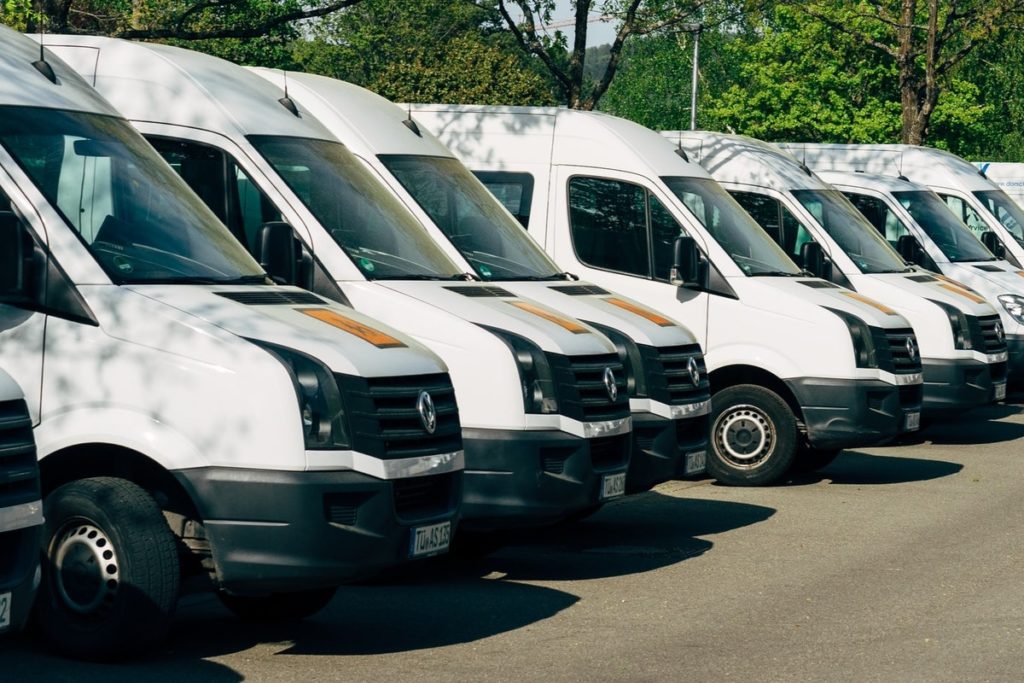
For example, a delivery service may find it more practical to lease a fleet of vans instead of purchasing them outright, allowing the business to adjust its fleet size based on demand without the burden of ownership costs. Similarly, businesses in creative industries often lease high-end printing equipment to keep up with evolving standards without committing to a full purchase.
Tax Implications of Leasing vs. Buying
Understanding the tax implications of leasing versus buying business assets is crucial for financial planning. Lease payments are often tax-deductible, providing immediate tax benefits that can improve a company's cash flow.
In contrast, purchasing assets typically involves depreciation, which can spread tax benefits over several years. Therefore, businesses need to carefully evaluate their financial situation and consult with accounting professionals to determine the most advantageous approach for their specific circumstances.
Choosing the Right Leasing Partner
Selecting the right leasing partner is essential for maximizing the benefits of leasing business assets. A reputable leasing company can offer competitive rates, flexible terms, and a variety of options tailored to the unique needs of your business.
When evaluating potential leasing partners, consider their industry experience, customer service reputation, and the range of services they offer. Building a strong relationship with a leasing provider can lead to better terms and support throughout the leasing process, ensuring your business assets are well-managed.
Understanding the Benefits of Leasing Business Assets
Leasing business assets can provide numerous benefits for companies looking to manage their finances effectively. By opting to lease rather than buy, businesses can preserve capital, maintain liquidity, and enhance cash flow, allowing for greater flexibility in operations and investment in other areas.
For instance, leasing equipment often means lower upfront costs and the ability to upgrade to newer models more frequently. This is particularly advantageous in industries where technology evolves rapidly, such as IT or manufacturing, ensuring businesses remain competitive without incurring significant debt.
Types of Assets Suitable for Leasing
Not all business assets are ideal for leasing; however, several categories of equipment and machinery often yield favorable leasing terms. Common examples include vehicles, office equipment, and specialized machinery that require significant capital outlay.
For example, a delivery service may find it more practical to lease a fleet of vans instead of purchasing them outright, allowing the business to adjust its fleet size based on demand without the burden of ownership costs. Similarly, businesses in creative industries often lease high-end printing equipment to keep up with evolving standards without committing to a full purchase.
Tax Implications of Leasing vs. Buying
Understanding the tax implications of leasing versus buying business assets is crucial for financial planning. Lease payments are often tax-deductible, providing immediate tax benefits that can improve a company's cash flow.
In contrast, purchasing assets typically involves depreciation, which can spread tax benefits over several years. Therefore, businesses need to carefully evaluate their financial situation and consult with accounting professionals to determine the most advantageous approach for their specific circumstances.
Choosing the Right Leasing Partner
Selecting the right leasing partner is essential for maximizing the benefits of leasing business assets. A reputable leasing company can offer competitive rates, flexible terms, and a variety of options tailored to the unique needs of your business.
When evaluating potential leasing partners, consider their industry experience, customer service reputation, and the range of services they offer. Building a strong relationship with a leasing provider can lead to better terms and support throughout the leasing process, ensuring your business assets are well-managed.